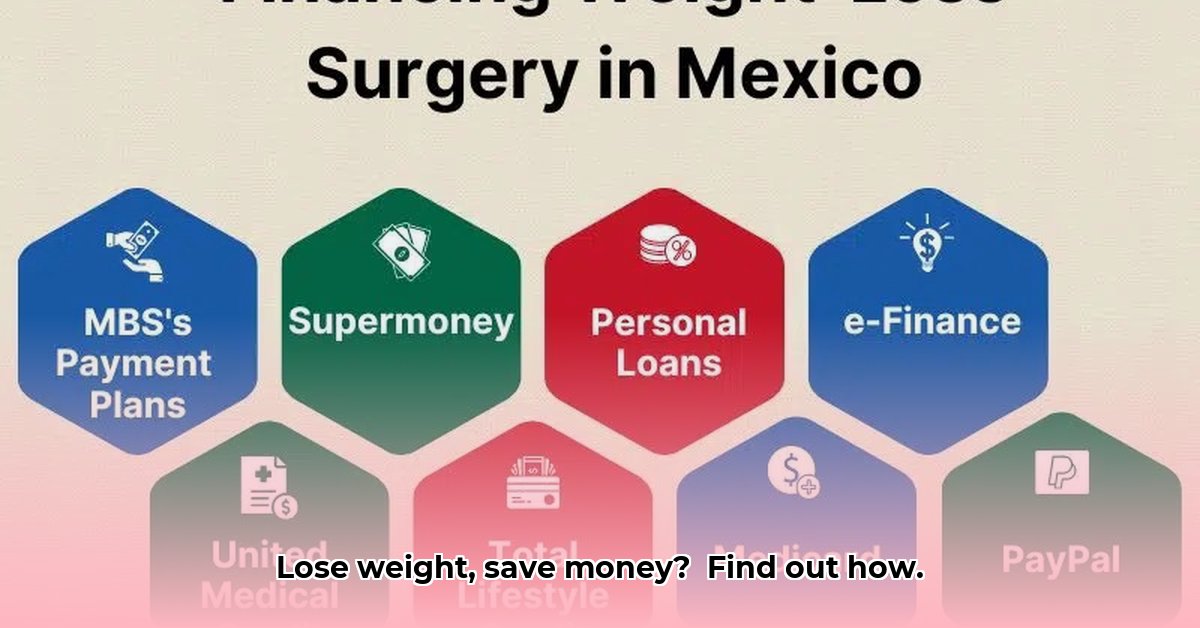
Thinking about weight loss surgery but concerned about the cost? This comprehensive guide helps you navigate the financial landscape, outlining various financing options to make your health journey a reality. We'll equip you with the knowledge to choose the best plan for your individual circumstances, ensuring a smoother, more financially responsible path to a healthier you.
Understanding the Costs: A Realistic Look at Expenses
Weight loss surgery is a significant investment, with costs ranging widely from approximately $8,000 to over $27,000. This price variation stems from several factors: the specific surgical procedure, your surgeon's fees (which can differ by specialization and location), the hospital or surgical center, and your geographic location. Additionally, insurance coverage is often partial, leaving you responsible for a substantial out-of-pocket expense. Understanding these variable costs is the crucial first step in planning your financing strategy. It's essential to obtain detailed cost estimates from your surgical team before making any decisions.
Exploring Financing Options: A Detailed Overview
Several financing options exist to help manage the cost of weight loss surgery. Let's examine the advantages and disadvantages of each to help you find the best fit:
1. Personal Loans: A Structured Repayment Approach
- Pros: Generally lower interest rates than credit cards, fixed monthly payments for predictable budgeting, and potential for larger loan amounts.
- Cons: Requires a good credit score for approval, impacts your credit history if missed payments occur, and adds to your overall debt load.
- Eligibility: Lenders assess your creditworthiness, income, and existing debt.
- Application Process: Typically completed online or through a bank, requiring submission of financial documentation.
- Interest Rates & Repayment Terms: Variable, dependent on your credit score and the lender. Shop around for the best rates and terms.
- Risks: Potential for significant debt if payments are missed or you overextend your budget.
2. Medical Credit Cards (e.g., CareCredit): Tailored to Healthcare Expenses
- Pros: Designed specifically for medical expenses, often offering 0% introductory interest periods, providing a manageable short-term solution.
- Cons: High interest rates after the introductory period concludes, potentially leading to substantial debt if not managed diligently.
- Eligibility: Generally easier to qualify for than a personal loan but still requires a credit check.
- Application Process: Typically quick online or in-office applications.
- Interest Rates & Repayment Terms: Interest rates vary widely across providers. Pay close attention to post-promotional APRs.
- Risks: High risk of significant debt accumulation if the balance isn't paid off before the promotional period ends.
3. Hospital or Clinic Financing Programs: In-House Payment Plans
- Pros: Convenience of working directly with the provider, potentially tailored repayment options based on your individual financial situation.
- Cons: Interest rates and terms may vary considerably; some programs may be less flexible than other options.
- Eligibility: Criteria vary among providers. Discuss financing options during your initial consultation.
- Application Process: Typically handled during pre-surgical planning directly with the hospital or clinic's financial department.
- Interest Rates & Repayment Terms: Varies considerably; review terms before agreeing to the plan.
- Risks: Hidden fees or less flexibility compared to other options. Carefully review the agreement.
4. Grants and Crowdfunding: Leveraging External Support
- Pros: Grants may offer completely interest-free financing; crowdfunding enables you to tap into your community for support.
- Cons: Grants are highly competitive; crowdfunding success is not guaranteed and requires considerable effort in outreach and campaign management.
- Eligibility: Grants have specific eligibility criteria; crowdfunding success depends on effective campaign promotion.
- Application Process: Apply directly to grant-giving organizations; build a compelling crowdfunding campaign.
- Interest Rates & Repayment Terms: Grants are typically non-repayable; crowdfunding involves repaying supporters.
- Risks: Grant rejection is common, and crowdfunding campaigns may fail to reach their funding goals.
5. Direct Payment Plans: Provider-Specific Options
Some surgeons or surgical centers offer direct payment plans. Always inquire about all possible payment arrangements during your initial consultation.
Choosing the Right Plan: A Personalized Strategy
Selecting the most suitable financing option requires a careful assessment of your individual financial circumstances. Consider:
- Credit Score: A higher score opens doors to lower interest rates and more favorable loan terms.
- Current Debt: Excessive debt may limit your eligibility or result in higher interest rates.
- Monthly Income: Your income determines your repayment capacity.
- Emergency Fund: Having savings provides a financial buffer for unexpected events.
Compare each option's interest rates, repayment terms, and associated fees. Seek professional financial advice to navigate this complex process and choose the most appropriate plan for your unique financial situation. Don't hesitate to ask your surgeon's office about any available payment assistance programs.
Beyond Financing: Planning for Post-Surgery Success
Successful weight loss surgery extends beyond the procedure itself. Budgeting for post-operative expenses, including nutrition counseling, follow-up appointments, and potential complications, is crucial. Support groups can offer valuable emotional and practical assistance. A long-term financial plan, potentially developed with a financial advisor, ensures a smooth and sustainable recovery.
Regulatory Landscape and Patient Protection: Avoiding Predatory Practices
Be cautious of predatory lenders offering overly attractive terms or high-pressure tactics. Thoroughly research lenders and healthcare financing companies before agreeing to any plan. Understand your rights as a patient; familiarize yourself with relevant consumer protection regulations. Question anything that seems unclear or overly advantageous. Protecting yourself financially is as important as protecting your health.
Key Takeaways:
- Weight loss surgery involves significant costs, requiring careful financial planning.
- Multiple financing options exist, each with its own advantages and disadvantages.
- Comprehensive comparison of options is crucial for selecting the best fit.
- Post-surgery financial planning is essential for long-term success.
- Awareness of potential predatory practices ensures patient protection.